Understanding the Challenges
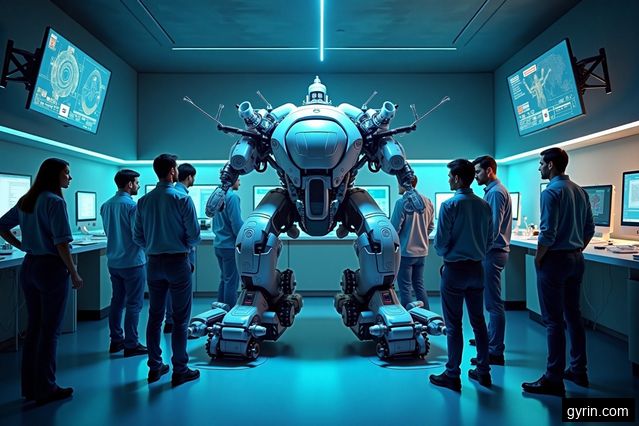
Developing motion-based systems presents unique challenges that require meticulous planning and expertise. One of the key challenges is ensuring accurate motion tracking and synchronization between multiple devices. Experts emphasize the importance of robust algorithms and precise sensors to achieve seamless motion detection and interpretation.
Optimizing Performance and User Experience
To create motion-based systems that deliver exceptional performance and user experience, developers must focus on optimizing various aspects. This includes minimizing latency, improving responsiveness, and enhancing the precision of motion detection. Experts suggest employing machine learning techniques and incorporating feedback loops to continually refine and enhance system performance.
Strategies for Successful Development
Successful development of motion-based systems requires a well-defined strategy. Experts emphasize the importance of iterative prototyping and testing to identify and rectify potential issues early in the development cycle. Additionally, collaboration between hardware and software teams is crucial to ensure seamless integration and optimize system performance.
Balancing Innovation and Practicality
While innovation is essential, experts highlight the importance of practicality in developing motion-based systems. It is crucial to strike a balance between pushing the boundaries of technology and meeting the practical requirements of end-users. Understanding user needs, conducting thorough market research, and gathering user feedback are vital to develop systems that are both innovative and practical.
Future Prospects and Opportunities
The future of motion-based systems holds immense potential for various industries. Experts predict that advancements in sensor technology, artificial intelligence, and virtual reality will lead to more sophisticated and immersive motion-based experiences. These systems will find applications in fields such as gaming, healthcare, and training simulations, opening up new opportunities for businesses and developers.
The Role of Collaboration and Innovation
Collaboration between different industries and the integration of cutting-edge technologies will be instrumental in shaping the future of motion-based systems. Experts stress the need for interdisciplinary collaboration, where hardware engineers, software developers, and designers work together to push the boundaries of innovation. By embracing emerging technologies and fostering collaboration, developers can unlock the full potential of motion-based systems.